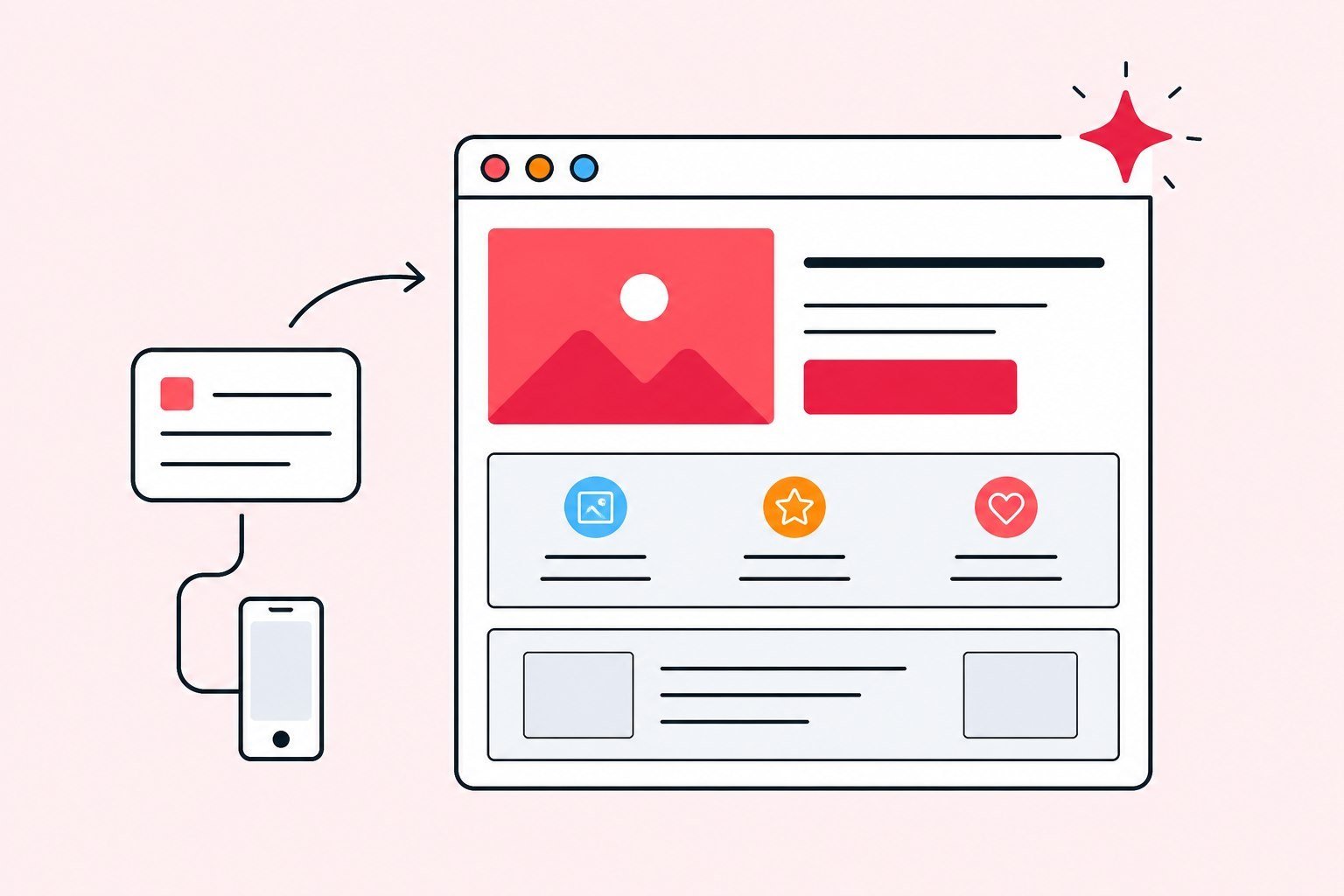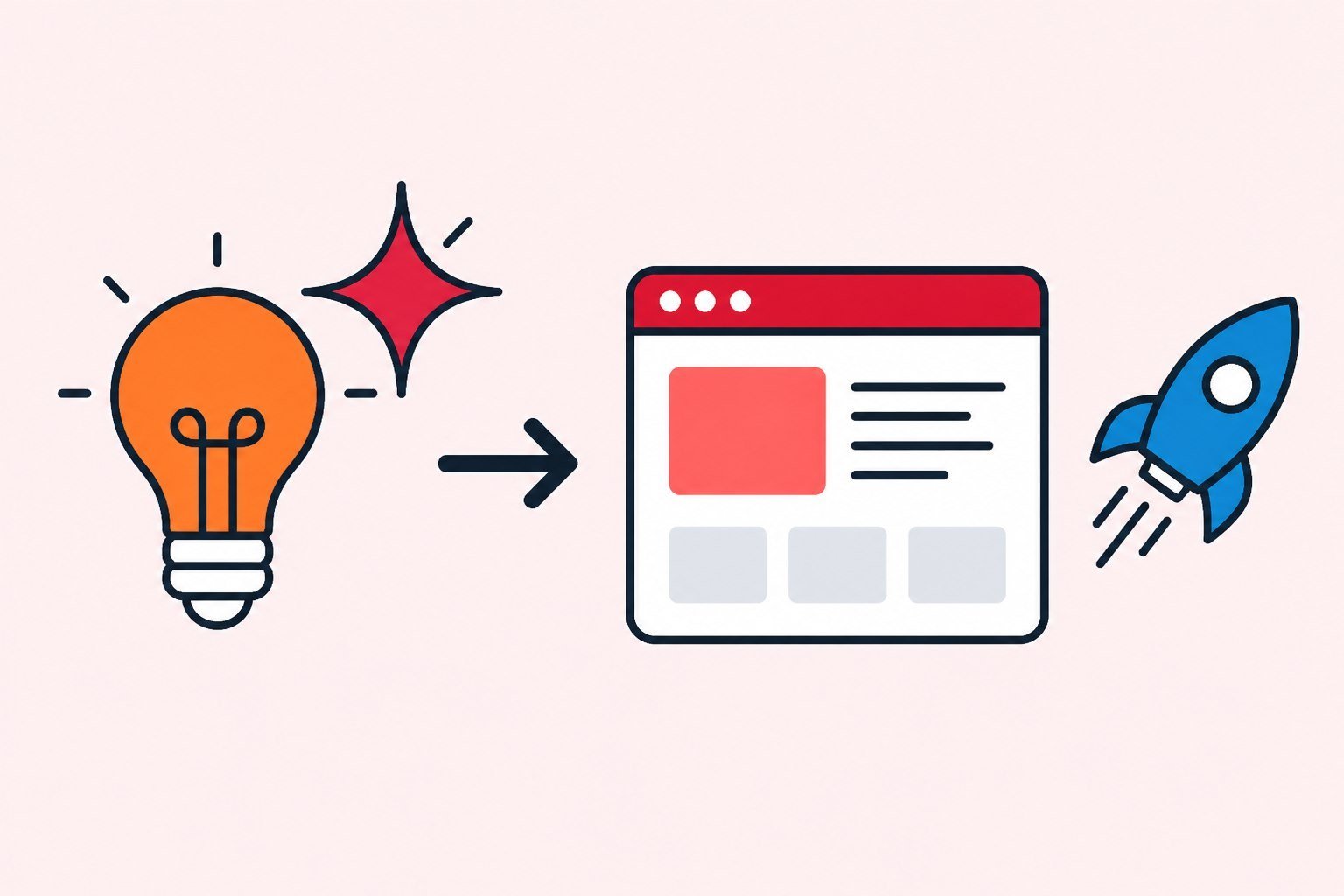
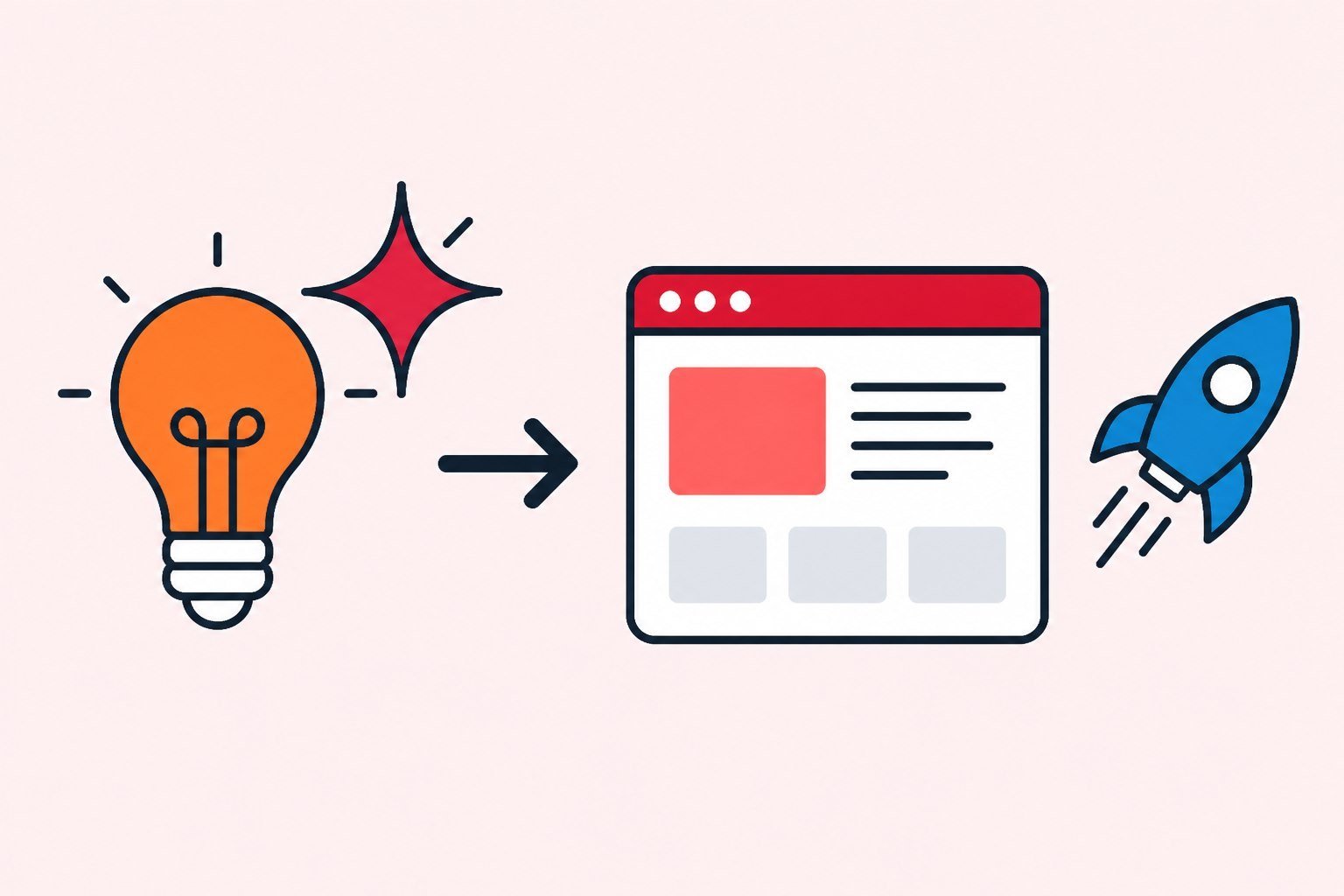
Why build a website with AI for creators and SMEs: when an AI website beats hiring a developer or rigid templates on speed, cost, and funnel — with Appifio Creator.
To build website with AI is becoming a practical choice for creators and small shop owners - not because “AI sounds modern,” but because you need a page that can close, get edited the same day, and stay clear enough to send traffic. This article explains why AI website work often beats a long custom build or a rigid template, what that means for an AI website SME, and when to start with Appifio Creator. UI details live on Pages. Try it at /create-website. Product map: AI website builder pillar.
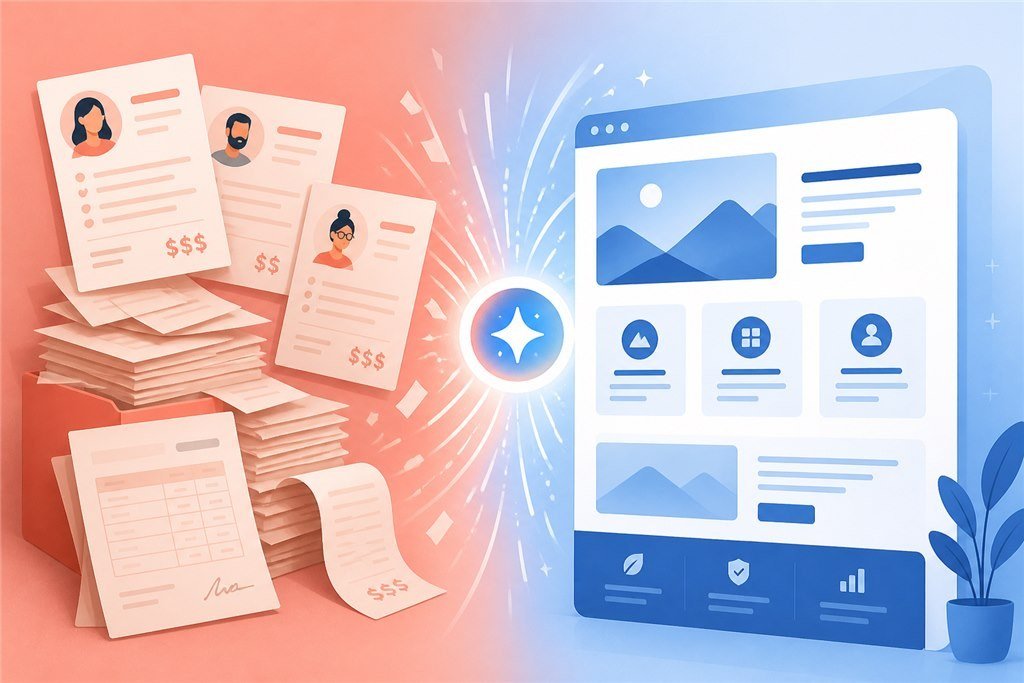
Social is strong - why you still need a page you control
Instagram, TikTok, and YouTube Shorts can bring attention fast. They are not places you fully own. Algorithms shift, accounts get limited, comments hide links, trends fade - and the traffic disappears with them. A page you control (or a biolink on your domain) is where you keep the message, the form, the offer, and the measurement. Social is where you meet people; the destination is where you close.
Many shops believe “DM is enough.” It is enough when orders are rare and the owner answers all day. It is not enough when you pay for ads, need one consistent story, collect leads after hours, or sell a few products at once. Then missing a destination means you pay for clicks and dump people into a messy chat. Choosing to build website with AI shortens the gap between “we have a product” and “we have a clean place to convert.”
Creators face the same problem: a video that spreads should not only ask for another follow. It should lead to signup, a course, a booking, or a shop. A biolink solves a fast social hub; a website expands when you need deeper pages, searchable content, or campaign landings. The layers complement each other - see biolink marketing strategy if the social door comes first.
A page you keep has one quiet advantage: it compounds. A landing you improve for three months still works after an ad set is turned off. A single DM reply does not. That is why serious ad budgets eventually demand a destination you control - even when people still discover you on social first.
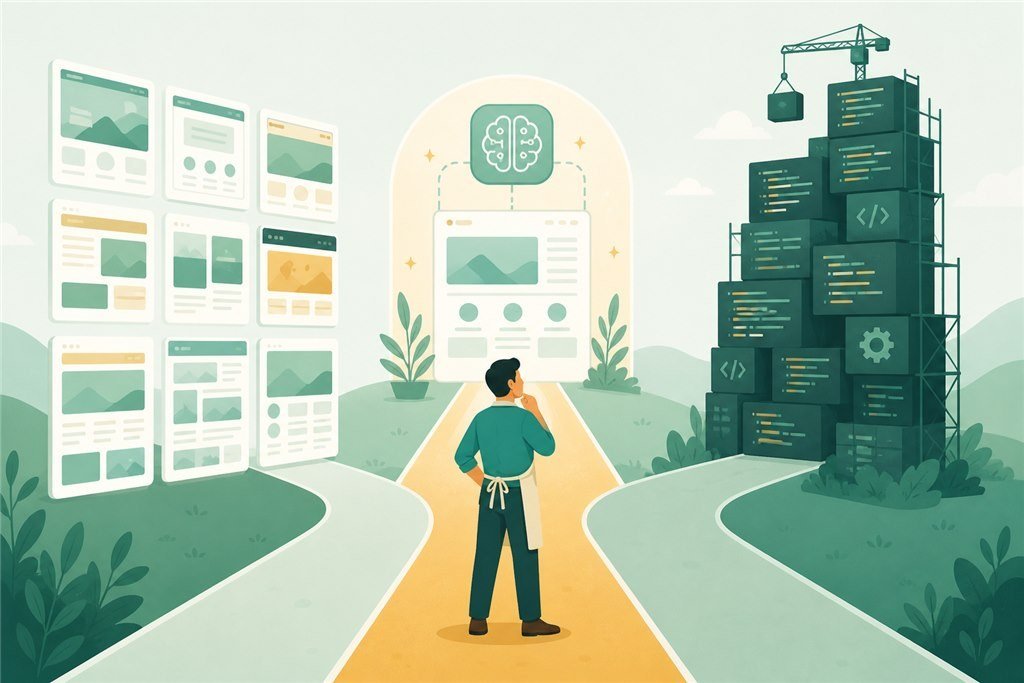
Why AI website work fits creators and small shops
Speed: Clear brief → describe the idea → page frame → edit copy/images → go live in hours or a few days, not a two-month sprint. For flash sales, preorders, or testing a new offer, speed decides what you learn before the budget runs out. That is the core answer to why AI website tools fit creators.
Cost: A custom hire is expensive and slow for a first test. Templates are cheaper but stiff: changing structure often means stuffing content into the wrong slots. An AI builder sits in the middle - flexible enough to draft opening, benefits, form, and CTA from a marketing brief, light enough for an SME to try more than one version.
Flexible customer paths: You can build a dedicated ad landing, a services page, or a small multi-page site, then connect short links and pixels. One business idea becomes many campaign URLs without calling an agency every time. Product flow: AI website builder pillar; prompt craft: AI landing page prompts.
The key point: AI website work wins when the content decision-maker is a marketer or shop owner - not when you need complex software architecture. If the brief is “lead page + real proof + form,” AI is enough. If the brief is a multi-vendor marketplace with approval workflows, that is a product project.
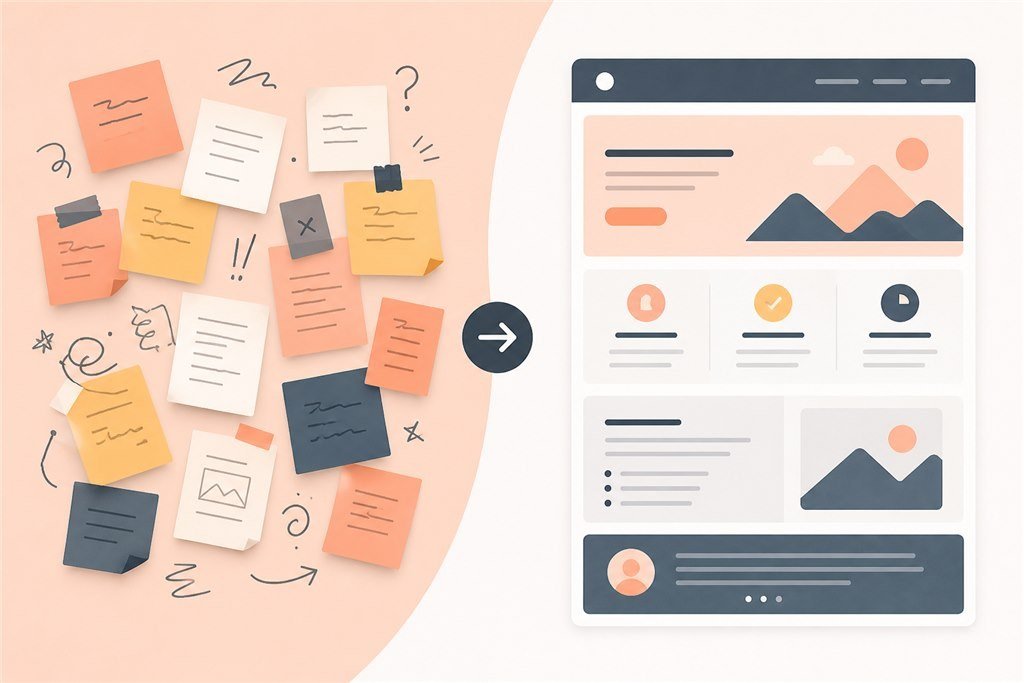
A quick compare: hire, template, and AI
Custom hire / agency: High control, fits large brands, deep integrations, heavy compliance. Downside: cost, time, ticket queues. Even tiny copy changes wait in line.
Fixed template / rigid site builder: Fast when the theme fits, but frames and blocks are often locked. Marketers who want to change funnel structure end up forcing words into the wrong shape.
AI builder (Appifio Creator): Starts from marketing intent; AI proposes structure; you edit and publish. Fits creators and an AI website SME that needs to learn in market quickly. It does not replace an engineering team for complex digital products - and most early sales pages do not need that.
Practical decision table: no site yet and ads start this week → AI or a template. Offer already proven and you need identity systems plus ERP → weigh an agency. You only need a button hub on social → a biolink may be enough before a full site.
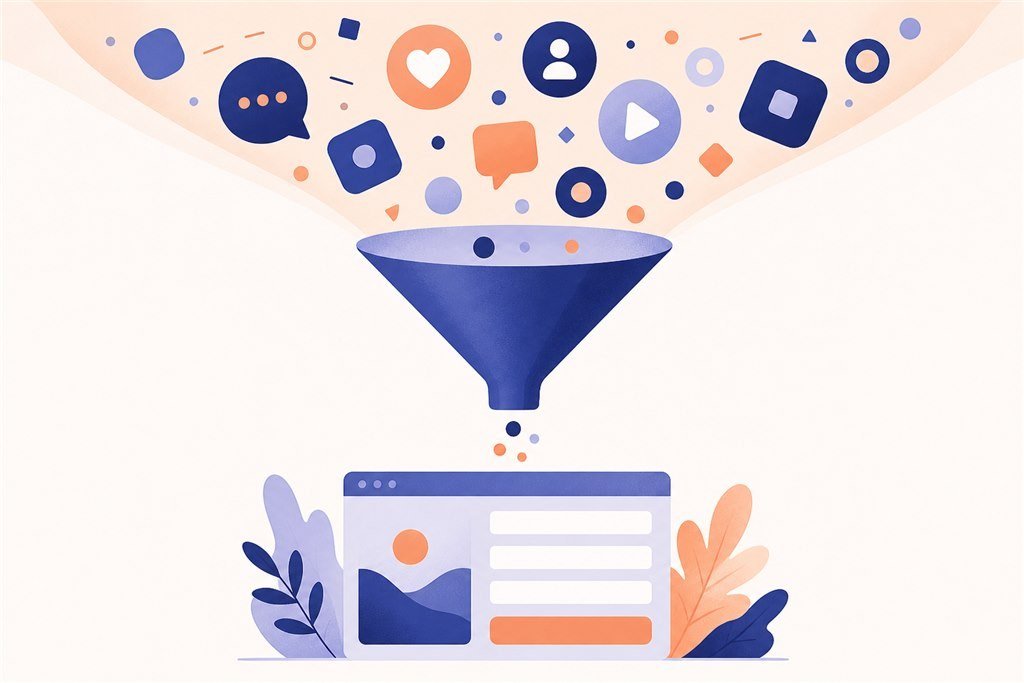
When AI is enough - and when you need to go deeper
Enough with AI when: one or a few clear conversion pages; lead or booking forms; content updated by your own team; no heavy business logic yet; speed of testing comes first. Examples: course landings, local services, product preorders, event pages.
Go deeper / hire specialists when: multi-step checkout, many roles and permissions, custom inventory or CRM integrations, or highly bespoke motion and identity. Even then, AI helps draft a quick prototype before you brief an agency - fewer expensive “guess what we meant” rounds.
Many SMEs get stuck at extremes: forever improvising on social, or signing a huge website contract before the offer is clear. The middle path is using AI to build a page that can run ads, get measured, then decide where to invest deeper. That is a portfolio-of-tests mindset, not “build one website for life.”
Practical rule: if seven of ten customer questions are the same and one page plus a form answers them, stay on one page. If each customer needs ten minutes of deep reading before they trust you, then expand. Do not expand because a competitor’s menu looks long.
Appifio Creator in a real customer path
The outcome you want is not “a pretty website.” It is: offer idea → page that says one job → traffic with UTM → lead or order → learn and edit. AI shortens the stretch between idea and live page. Measurement still needs discipline: short link + UTM for source, pixel on the funnel for retargeting, and bio work via the bio SEO checklist when social is the front door.
A minimal path for a new shop: ad creative → short link → AI landing (opening + three benefits + form) → thank-you page + pixel event. For content creators: video → bio → signup button into a landing or a biolink form. Do not build ten pages before one page converts.
After leads stabilize, expand: FAQ, plan comparison, customer stories. More pages in Appifio Creator serve that stage. Operational overviews live on Page overview and first launch.
Risks and common misunderstandings
“AI replaces strategy.” No. AI drafts structure and copy; you still choose positioning, offer, and real proof. Weak prompt → generic page → ads burn money.
“Having a site means you have SEO.” A live URL is only the starting line. Titles, useful content, mobile speed, and internal links are the work. AI helps you start fast; SEO is still a content habit.
“Fear of platform lock-in beats fear of standing still.” For an SME losing revenue because there is no closing page, delaying for a perfect stack usually costs more than starting on a fit builder and upgrading when you grow. Ask: can the tool go live fast, get measured, and let the team edit without tickets?
“A website replaces a biolink.” Not always. Bio remains the multi-exit hub on social. A website or landing is the deeper page for a campaign or brand story. Strong brands often use both.
A 30-day plan after you build website with AI
Week 1: pick one offer, write the page purpose in one sentence, draft the first landing, swap in real photos and proof, publish a clean URL. Week 2: attach short link + UTM, confirm measurement, send a little traffic. Week 3: fix only the weakest block (usually headline, proof, or form). Week 4: decide whether to raise ads, add a second campaign landing, or open a few small pages.
Keep a simple scoreboard: visits, form-start rate, qualified leads, cost per lead if paid. When those four numbers show up, the decision to build website with AI has already paid for itself. If they do not show up, fix measurement before generating another layout. Strategy without numbers is vibes; numbers without an offer are pretty empty charts.
Separate brand taste from conversion evidence. You can dislike a color and still keep it if mobile conversion is rising. You can love a clever headline and still kill it if nobody taps the button. AI makes variants cheap; your job is to keep an honest feedback loop.
Weekly operations - habits cheaper than new features
Block 30 - 45 minutes every week: read seven-day numbers, pick one hypothesis, change one thing, write a note. Split ownership even if one person wears every hat: who changes CTAs, who posts ad URLs, who calls leads back. Archive offer versions at month end. Before you raise spend: test on a real phone on cellular and agree on what “conversion” means between ads and sales.
Connect systems only as far as each layer has a job: bio, landing, short link, pixel. Extra layers create maintenance debt. When an agency joins, send a short handoff after your internal process already works. Keep experiments (allowed to die in two weeks) separate from infrastructure (UTM naming, primary pixel, brand domain).
If you are not running ads: still watch organic - which videos pull people onto the page. Content hours are not free. Save CTAs that ran this month so next quarter does not rewrite the brief from scratch.
Three mistakes more expensive than missing features
Mistake one: many people can edit, nobody owns outcomes. Three people change CTAs; nobody owns lead response time. The inbox dies while the page still “looks good.” Fix it with one sheet row: name + job + review date.
Mistake two: measuring one layer, concluding about another. Short-link clicks look fine, so you blame the landing - while the form is broken on mobile. Each metric answers one question; do not blend them in a vibes meeting.
Mistake three: changing five things in one day. You will not know what saved the page. One change per week feels slow; it is how you learn. To build website with AI helps you test fast; measurement discipline tells you what won.
Preventing these three mistakes does not need a new tool. It needs a fixed calendar block, a one-page note, and a habit of not touching five places at once. A team of one to three can do this if operations count as part of the product, not chores after creative.
Who should start early - and who should wait
Start early: small shops, local services, creators selling courses or digital products, agencies that need campaign landings fast. Shared need: a clear-offer page in days, not months.
Slow down or combine help: products with complex configuration, multi-step checkout, or heavy internal integrations. AI can still draft the front-of-house story; the back end may need engineers.
If budget is tight, do not fund a huge custom site and big ads at the same time before you have a page you can learn from. Get one measurable page first - that is how an AI website SME avoids burning money on both ends. Then raise media spend.
Next steps once you choose the path: read the AI website builder pillar, prepare prompts at marketing prompts for AI landings, and follow how-to Pages. Minimum checklist before ads: one-sentence offer, one CTA, real proof, measurable, mobile-OK, someone owning lead follow-up.
Order of operations: if customers already sit on Instagram/TikTok and you need many exits now, build the biolink first, then build website with AI for deeper campaigns. If this week already has ad budget for one clear offer, build the landing first and keep bio as the stable door. The wrong order makes teams edit two places at once and learn nothing.
In short
To build website with AI fits when you need to learn offers quickly - not when you are building complex software. Why AI website tools win comes down to cost, time, and the team’s ability to edit - especially for an AI website SME running ads. Appifio Creator is the on-ramp; the pillar and CRO prompts are the next steps. Start with one page, one CTA, measure, then expand at /create-website.
FAQ
Can an AI website replace a web professional?
For marketing pages, landings, and simple SME sites - often enough to launch and learn. Engineers still matter for complex products, deep integrations, or special requirements. Choose by business complexity, not by trend.
How long until a page is ready for ads?
With a clear brief and assets ready, many teams publish the same workday. “Ready for ads” usually depends more on measurement and mobile QA than on how long AI took to draft the frame.
Do I need HTML/CSS to use Appifio Creator?
Not for a normal marketing flow. You work at the intent and visual-edit layer. Prompt and UI details live in Page docs.
Biolink first or website first?
If Instagram/TikTok is the main channel and you need many CTAs now - biolink first. If ads are about to push one specific offer - landing/website first. Many SMEs do both in parallel.
Will AI pages all look the same?
They can if prompts are generic. Reduce that with a specific brief, then swap in real proof and photos - that is the main differentiation layer.