Link in bio layouts for Instagram, TikTok, and YouTube: shop, lead, or viral hub biolink layouts by platform intent, plus channel click measurement.
An Instagram link in bio should not be copy-pasted unchanged onto TikTok or YouTube. Intent differs: shop and lead paths on IG, a hot action after a viral clip, a longer-running resource hub on a channel. This article sketches TikTok link in bio, YouTube link in bio, and a practical biolink layout by platform - PR angle, not a UI walkthrough. Try it at /create-bio-link. Pillar: biolink marketing strategy.

How Instagram link in bio differs from TikTok and YouTube
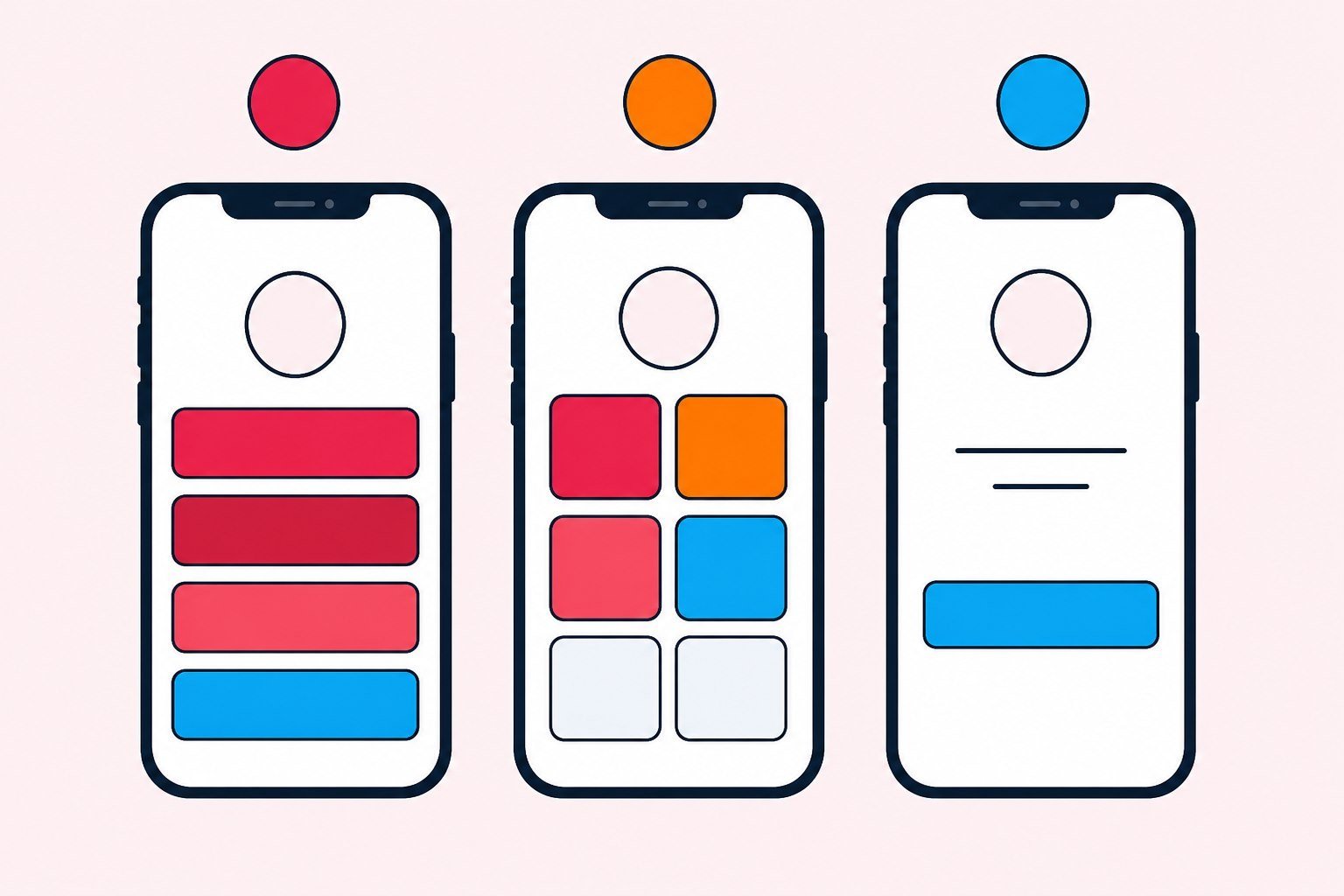
Instagram: people already expect “open the bio to see what is for sale / where the link is.” They will tolerate a few choices if order is clear. TikTok: after a strong video, intent is narrow - do one thing now. Too many buttons kill the heat. YouTube: channel bio and description serve longer viewers - newsletter, playlists, sponsors, shop.
You can use one URL for all three, but CTA priority and measurement must reflect the channel currently pushing traffic. When a TikTok spikes, temporarily lift the matching CTA to the top. When IG shop is the backbone, keep catalog or bestsellers stable. Cross-posting the same creative without adjusting bio priority is a silent conversion leak.
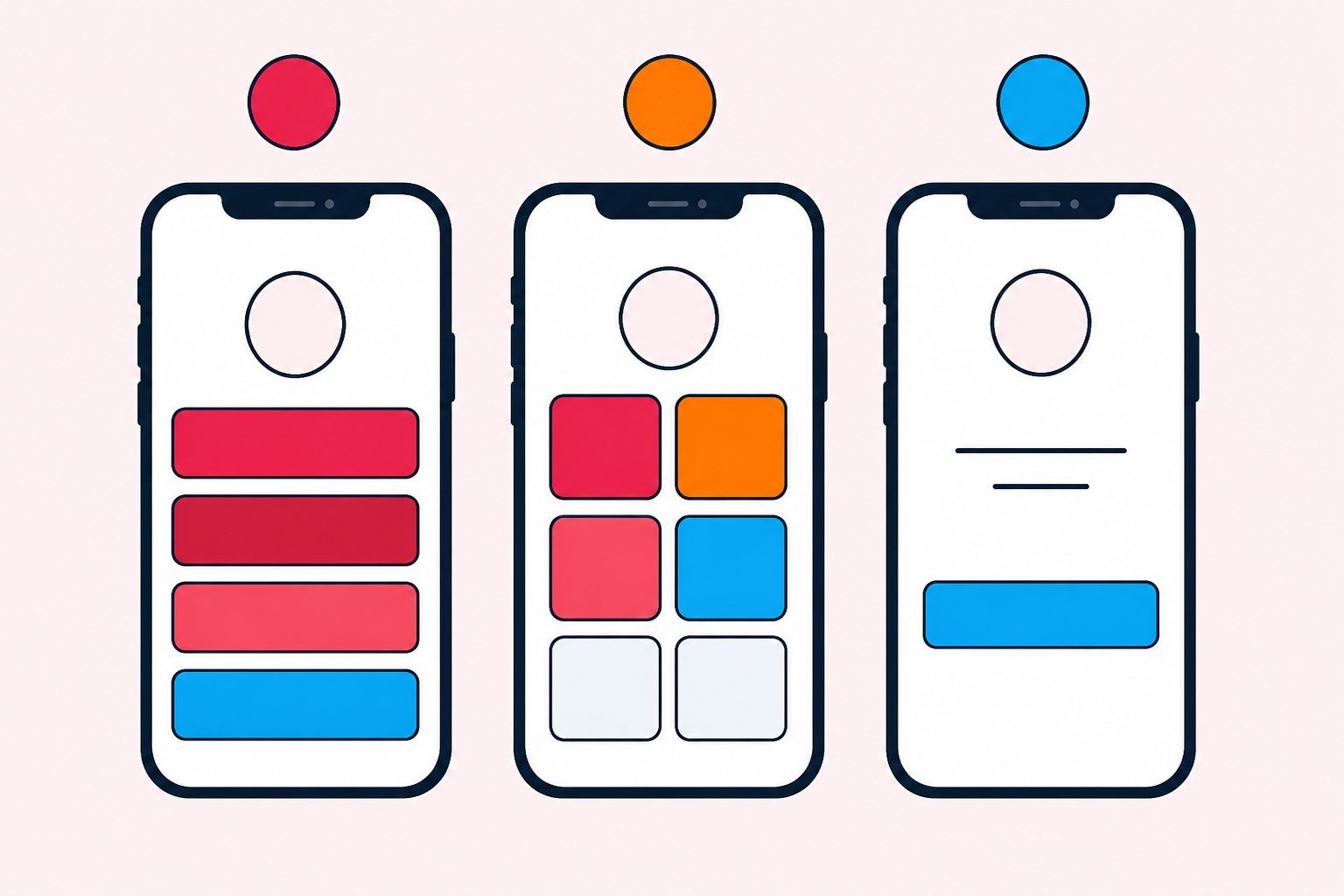
An Instagram link in bio is usually “shop + lead.” A TikTok link in bio is the bridge after the hook. A YouTube link in bio is the channel resource hub. Those three intents cannot be replaced by one frozen button list.

Instagram layout: shop, lead, and featured products
Suggested order: short promise → primary CTA (buy/book) → lead form if you nurture → three to five featured products → social/secondary. Stories and Highlights should point at the same offer currently prioritized on the bio. If you sell via chat, keep the chat button beside the primary CTA - not buried at the bottom.
For IG ads or influencer seeding, use a dedicated short link into the bio or a specific button - short links + UTM. Do not reuse one unlabeled link for every collab if you want to know which partner brought leads. An Instagram link in bio wins when creative, Highlights, and the top button say the same sentence.
QA inside the real Instagram app on 4G. “Fine on desktop” does not mean a thumb can tap the button inside IG. Many creators “finish” on a computer and forget to paste the new URL into the IG bio - traffic keeps flowing to the old place.
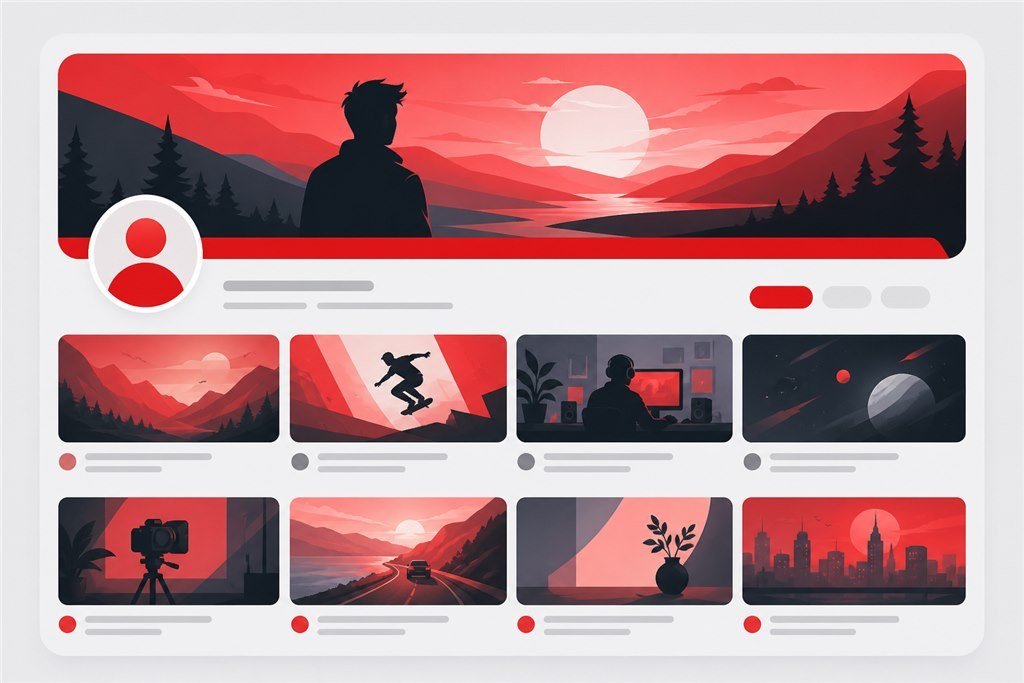
TikTok link in bio: one strong CTA after a hot video
When a video rises, the bio becomes the bridge of the hook. One CTA that matches the in-video call-out beats a long list. You can keep other buttons, but demote their visual weight. Update button copy to the video’s language (“Get the checklist from the video”, not “Link”).
For Spark Ads or boosts: measure with short links + UTM before crowning a creative winner. A pixel on the bio helps retarget people who touched after a hot clip - funnel tracking. Update speed matters: if changing the bio takes a full day, you miss the peak. Keep a “viral CTA swap” runbook so a junior teammate can do it safely. That is how a TikTok link in bio matches the platform’s rhythm.
TikTok link policies shift by region and account type. Keep the bio URL stable; measure campaigns with short links so you can still read sources when the platform restricts outbound links. Do not build the whole funnel on caption links if the account cannot open them.
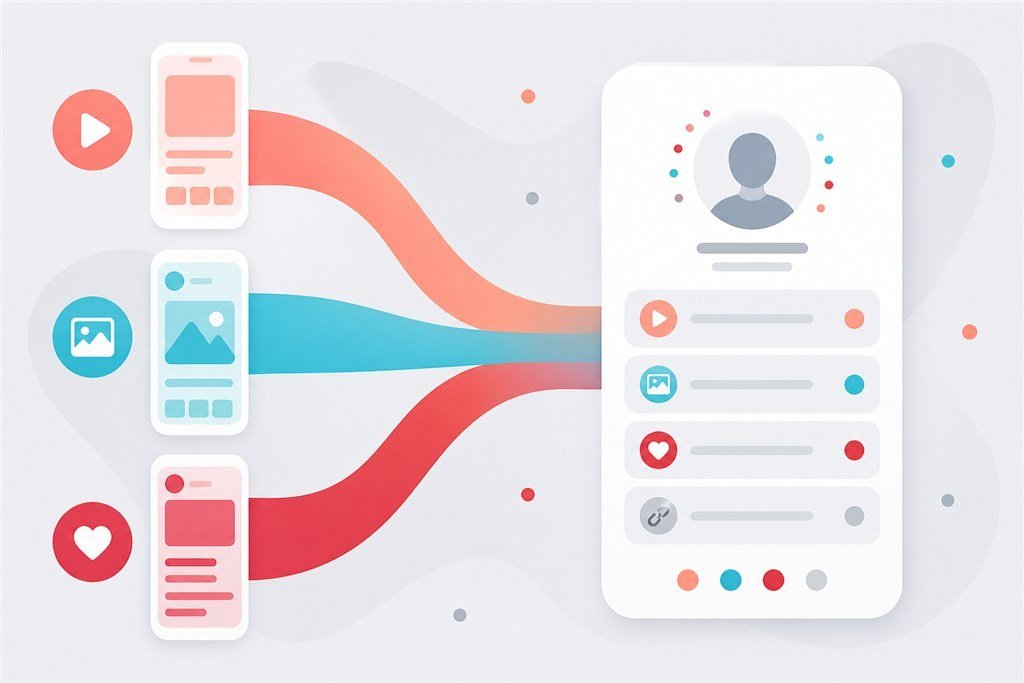
YouTube link in bio: video hub, sponsors, and newsletter
YouTube viewers often accept a richer hub if it is organized by goal: “Watch next,” “Join the newsletter,” “Resources from the video,” “Sponsor contact.” Put resources for the pinned or newest video near the top. Keep sponsor CTAs clearly separated so partner reporting stays clean.
Video descriptions should still carry campaign short links; the bio is the stable layer. The two layers complement each other: description = video context; bio = brand navigation. A YouTube link in bio does not replace the description - it keeps the channel storefront when individual videos keep changing links.
If the channel has many series, group buttons by series instead of listing fifty videos. A clean hub helps sponsors and collaborators find the right place in ten seconds.
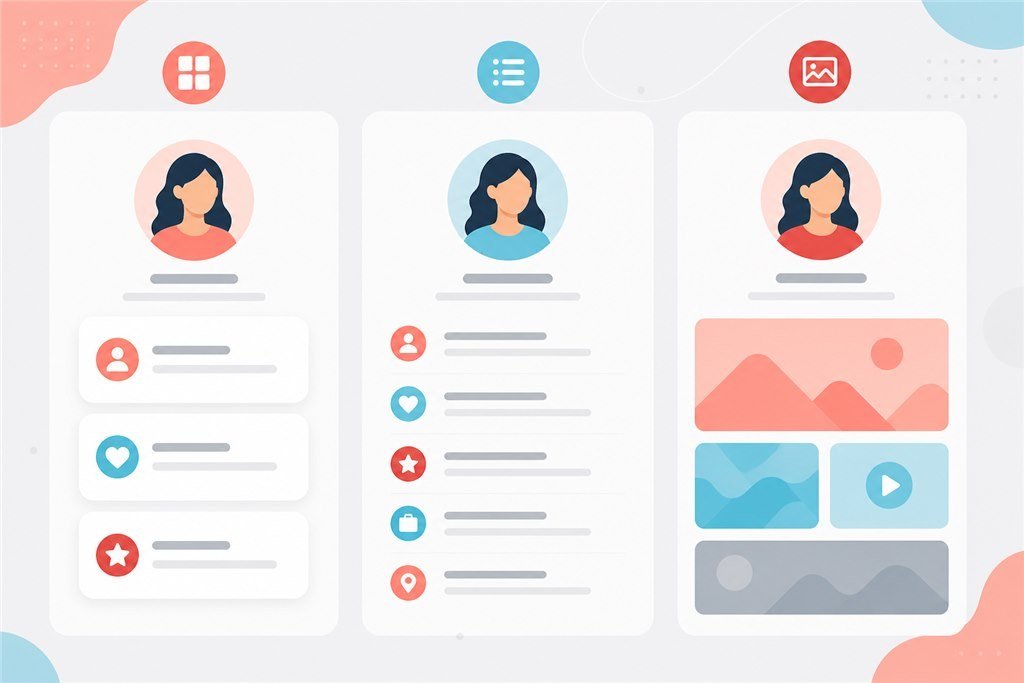
One URL or many - and how to measure by channel
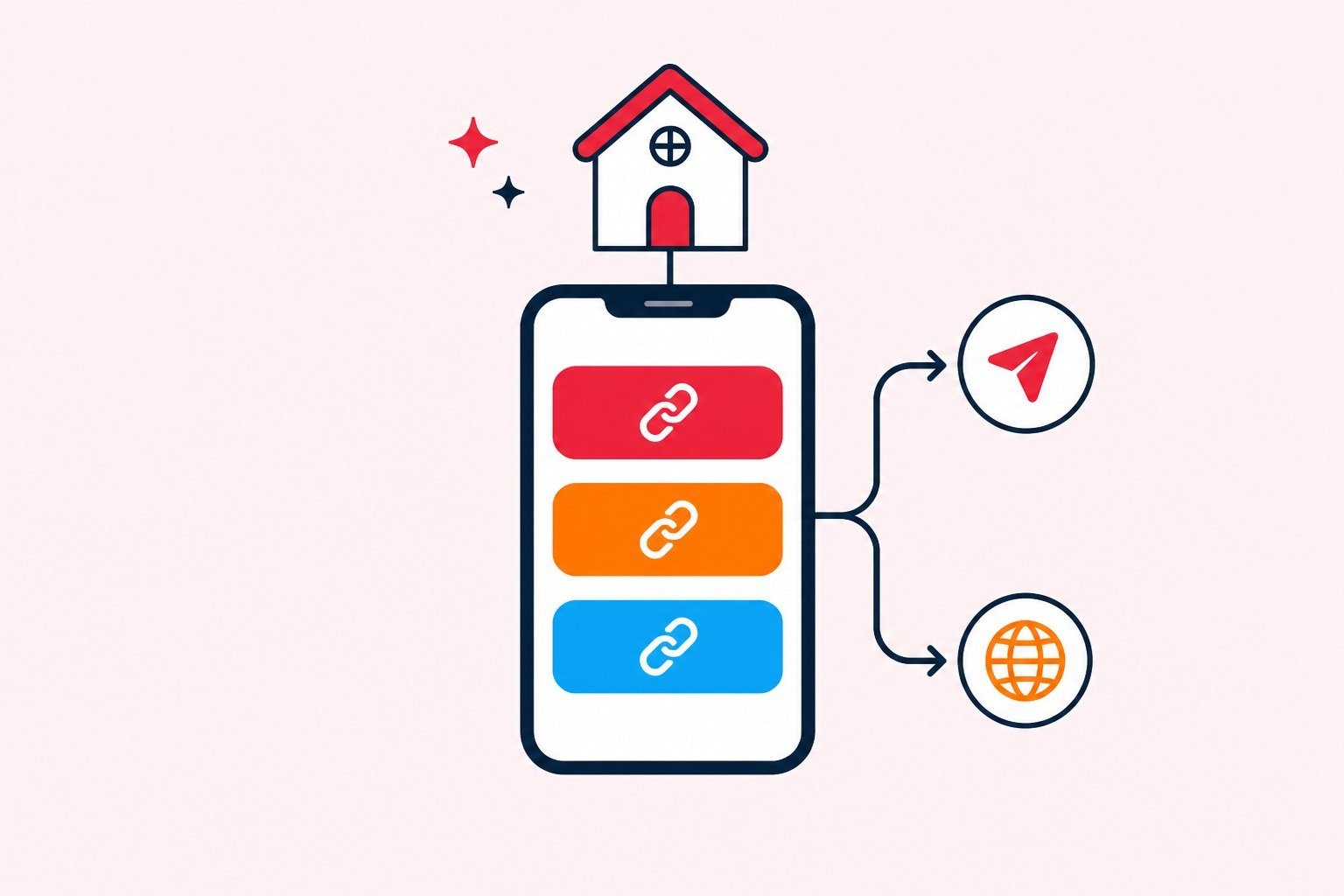
One URL is simplest for small teams: easy maintenance, one place to update the offer. Multiple URLs (or multiple short links into the same hub) fit when you need channel or collab reporting. Practical default: keep one stable bio, create short links by source into the right button or destination.
A biolink layout does not require three different pages on three tools. What it requires is CTA priority that reflects the channel currently pushing traffic - and source measurement you can trust. For selling on bio, see biolink for sales; for a fast sprint: create a link in bio in 15 minutes.
Minimum scorecard by channel: visits from that source, primary-CTA clicks, leads or orders, and cost if paid. Without those four numbers, “IG is better than TikTok” is only a feeling.
Weekly operations when you run multiple channels
Thirty to forty-five minutes each week: which channel is bringing quality clicks, does the top CTA match this week’s offer, are leads answered on time. One hypothesis, one fix, a note.
When IG is the sales backbone, do not let a TikTok viral CTA occupy the top slot long after the peak fades. When YouTube ships a new pillar video, lift matching resources near the top for the first few days. A CTA rotation calendar by channel is part of a professional Instagram link in bio operation - not “pretty equals done.”
Split roles even when people wear dual hats: who owns the hub, who owns ads/collab short links, who follows up. If an agency joins, send the alias map and conversion definition before granting publish rights.
Three expensive multi-channel mistakes
Mistake one: one frozen button list for every platform. Different intents, identical layout - missed conversion. Fix by prioritizing CTAs for the channel that is hot.
Mistake two: one shared link for every collab, then no idea who brought leads. Fix with short links/UTM per collab.
Mistake three: optimizing on a feeling that “IG was weak this week” without a seven-day window and a lead definition. Fix with four numbers and a changelog.
Defense: a viral-CTA runbook, a source sheet, a weekly review calendar. Tools cannot replace that habit.
Layout ideas by business goal
Fast selling: buy/book CTA on top, a few hot items, chat beside it - fits IG and hot TikTok. Lead capture: short form + SLA, light proof - fits all three when the offer is a checklist or signup. Content hub: resources by series, newsletter, playlists - fits YouTube and long-horizon creators.
Do not shout all three goals at equal volume. Pick one primary goal for the month. Demote the rest. That is how a biolink layout stays clear when traffic arrives from many places.
When you need a deeper page than a few buttons (ads demand storytelling), keep the bio as the door and send short links into a landing - see marketing prompts for landings. The bio does not have to carry every job.
Paste checklist before you call it done
- Live URL pasted into Instagram, TikTok, and YouTube (if you use them).
- Tap-tested from another account or guest mode inside the real apps.
- Top CTA matches the offer or video currently being pushed.
- Form/chat submits successfully on 4G.
- Short links/UTM by source or collab logged on a sheet.
- A review date seven days out on the calendar.
Skip items 1 and 2 and a “finished bio” sprint on desktop is meaningless. Skip item 5 and you never learn which channel wins. Skip item 6 and the bio dies after two silent weeks.
A thirty-day multi-channel scenario
Week 1: lock a backbone offer for IG, build the hub, paste every channel, set minimum measurement. Week 2: if a TikTok video spikes, run the viral-CTA runbook; keep a dedicated short link. Week 3: fix one friction point (button copy, image, form) using the seven-day numbers. Week 4: decide to keep the layout, rotate for a new YouTube video, or open a landing for ads.
At month-end save: which CTAs ran, which sources brought leads, which collabs deserve a rematch. This month’s memory is next month’s brief. SMEs and creators do not need a strategy department - they need a writing habit.
TikTok link in bio and YouTube link in bio will keep changing rhythm with algorithms; a stable hub plus source-level measurement keeps you from chasing every trend and losing the Instagram sales backbone.
Use cases: shop, courses, and content channels
Fashion shop on IG: keep a light catalog and order CTA as the backbone. When a Reel spikes, temporarily lift “buy the set from the Reel” for 48 - 72 hours, then return to the previous order. Do not let a trend occupy the top slot forever after the peak fades.
Courses / digital: signup form is the primary CTA across channels; TikTok only changes button language to match the video hook (“Get the checklist from that video”). YouTube can add a “resources in the video” button without overpowering the main form.
Long-horizon content channel: YouTube is the hub axis; IG and TikTok point at the same monthly offer (newsletter or lead magnet). An Instagram link in bio still needs one clear CTA - do not turn it into a ten-series table of contents with equal weight.
All three use cases can share one biolink layout; they differ in button order and language by channel intent. That is where small teams beat larger teams maintaining three mismatched bios.
Multi-channel ops log - what to write each week
Four lines only: (1) which channel brought the most clicks this week; (2) what the top CTA was; (3) leads/orders by source; (4) one fix for next week. No long report. Long reports get unread.
For collabs or seeding: add the short-link alias and an end date. When it expires, hide or retarget the destination - avoid dead links on the bio from forgetfulness. Many conversion leaks come from expired links, not from “missing features.”
If one person runs ads and another owns content, hold a ten-minute Monday sync just to align the top offer. An Instagram link in bio that drifts from ads creative for a day is enough to teach the pixel the wrong signals.
Creative and bio language must say the same thing
Platform differences are not only about button count. They are about language. A Reel that ends with “link in bio for sizes” should meet a top button that says sizes - not “Shop all.” A TikTok that promises a free checklist should meet a button that names the checklist. A YouTube video that teaches a method should meet a resource labeled for that episode. Mismatch between spoken CTA and hub label is one of the cheapest conversion leaks to fix.
Keep a tiny glossary for the week: the phrase used in creative, the label on the button, the UTM campaign name. When those three drift, analytics meetings turn into debates about whether the creative or the page “failed.” Usually neither failed - the handshake did. Writing the glossary once per campaign is part of maintaining a usable biolink layout across channels.
When a collab brings their own language, do not force your brand jargon onto their audience for the first 48 hours of a spike. Meet them halfway on the temporary CTA, then return to your backbone labels after the peak. That flexibility is how multi-channel teams keep both brand consistency and viral responsiveness.
In short
Design an Instagram link in bio for shop/lead intent; TikTok for one hot CTA after a video; YouTube for a longer resource hub. One biolink layout can share a URL and still measure each channel separately. Prioritize CTAs for wherever traffic is coming from, tap-test inside real apps, and review numbers weekly. Start at /create-bio-link.
FAQ
Do I need three separate biolinks for three platforms?
Not required. One hub plus short links by source is usually enough. Split bios only when channel reporting or offers truly differ and the team can maintain them.
What if TikTok will not open outbound links?
Keep the bio URL ready; use short links wherever the platform allows; measure sources when you can. Do not build the whole funnel on caption links alone.
YouTube descriptions already have links - do I still need a bio?
Yes. Descriptions follow each video; the bio is the channel’s stable door when video links keep changing.
Should I change the CTA every day with trends?
No. Change on a campaign calendar or on a video peak with a runbook. Daily changes make the numbers unreadable.
How is this different from the biolink strategy pillar?
The strategy pillar covers funnel and overall operations. This article focuses on layout and intent by social platform.